Upgrade Your Space: The Best Modern Roof Lanterns for Natural Illumination
In contemporary design, roof lanterns stand out as essential elements that enhance both visual appeal and practical performance. They serve as a bridge between indoor and outdoor spaces, allowing natural light to stream through areas that often lack brightness. With various designs on offer, homeowners can choose options that fit their individual preferences and sustainability requirements. As one explores the potential benefits, it is evident that these fixtures can markedly transform any living space.
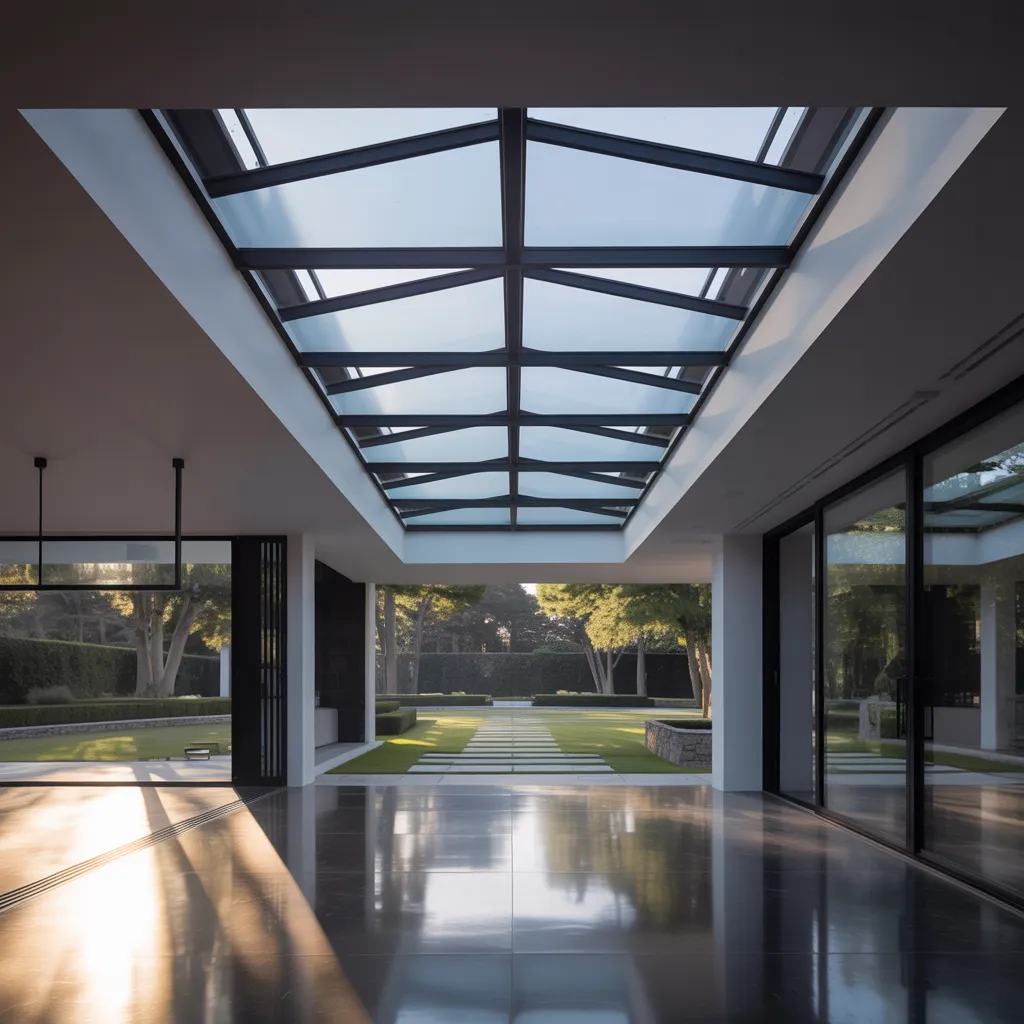
Why Think about a Roof Lantern for Your Home?
When homeowners consider improving their home environments, choosing a roof lantern can significantly enhance the ambiance. These architectural features not only deliver a elegant focal point but also fill rooms with daylight, generating a sense of openness. Roof lanterns are especially effective in dimly lit spaces of a home, such as hallways or extensions, where they can substantially enhance the overall atmosphere.
In addition, roof lanterns promote power efficiency by decreasing the need for artificial light throughout the day. This can produce reduced energy bills and a smaller environmental impact. Additionally, these installations can increase property value, drawing potential homebuyers who value contemporary and stylish aesthetic elements. Their flexibility grants homeowners to opt for varied materials and designs that complement their current architectural features, establishing roof lanterns a top choice in modern residential aesthetics. Overall, the addition of a roof lantern can enhance aesthetic quality and usefulness.
Key Elements to Assess When Selecting Modern Roof Lanterns
Picking state-of-the-art roof lanterns involves careful consideration of pivotal features to guarantee they fulfill both aesthetic and functional specifications. At the outset, the scale and shape of the lantern should complement the architectural appearance of the home while delivering ample light coverage. Choice of material is vital; options including aluminum or timber can offer durability and weather resilience.
Moreover, energy efficiency is a significant consideration; selecting lanterns with double-glazed glass can optimize insulation. The simplicity of installation and maintenance should also be reviewed, as some designs may take more effort than others.
In conclusion, review the style choices, including frame styles and color finishes, which can greatly influence the overall character of the space. By zeroing in on these vital features, homeowners can make sound choices that enhance both the beauty and functionality of their living spaces.
Distinguish the Leading 5 Current Roof Lantern Options
Evaluating the top five modern roof lantern collections, emphasis should be placed on their aesthetic appeal and diversity of styles. In addition, the durability of materials and the standard of finishes serve an vital role in the overall merit of these structures. Examining these aspects can help homeowners make informed decisions that suit their design preferences and practical needs.
Creative Aesthetics and Styles
Although skylight structures serve a practical purpose of lighting spaces, their visual appeal have evolved considerably, making them a focal point in modern architecture. The top five modern roof lantern designs display a variety of styles, from minimalist geometric shapes to complex, contemporary patterns. Streamlined, flat designs often feature expansive glass panels, enhancing natural light while maintaining a low profile. Conversely, more ornate lanterns exhibit artistic detailing that adds personality to any room. Some incorporate industrial elements, blending metal frames with glass for a bold contrast. Each design reflects current trends, emphasizing the balance between form and function, ultimately transforming spaces into luminous sanctuaries that invite both natural light and visual interest.
Material Toughness and Appearance
Durability serves as a key factor in the selection of modern roof lanterns, as the materials used directly affect their longevity and maintenance. Among the top five designs, aluminum and stainless steel excel for their resistance to corrosion and weathering, guaranteeing longevity in various climates. Glass options, often tempered or double-glazed, provide excellent insulation and UV protection, although they require careful handling to prevent breakage. Additionally, powder-coated finishes improve metal durability and offer a variety of aesthetic choices. Wood, while visually appealing, demands regular treatment to resist moisture and pests. Overall, the combination of robust materials and quality finishes greatly affects the practicality and lifespan of roof lanterns, making informed choices vital for homeowners.
Installing Your Roof Lantern: A Sequential Guide
When installing a roof lantern, selecting the right location is crucial for maximizing natural light and aesthetics. Additionally, having the essential tools and materials on hand guarantees a seamless installation process. This guide will detail the necessary steps to achieve a successful installation.
Finding The Best Location
Selecting the optimal location for a roof lantern can significantly enhance both sunlight and visual charm within a space. It is important to consider the room's orientation, as south-facing installations usually boost sunlight exposure throughout the day. Furthermore, assessing the neighboring structures is essential; nearby trees or buildings can obstruct light and reduce effectiveness. The roof pitch should additionally be checked, making sure the lantern sits at an ideal angle for light entry. Additionally, it is recommended to place the lantern away from areas susceptible to heat loss, for example, rooms with insufficient insulation. Lastly, the size and style of the roof lantern should complement the overall architectural design, achieving a harmonious mix of practical use and visual impact.
Essential Tools And Materials
Before commencing the assembly of a roof lantern, one must gather essential tools and materials to ensure a smooth process. Important instruments include a power drill, measuring tape, level, and a utility knife. Protective apparel, such as gloves and goggles, is also important to assure protection during installation.
You will require the roof lantern, weather seal tape, sealant, and bolts. In addition, having a step ladder on hand makes it easier to get to the installation area. It is wise to prepare the work zone by removing any debris and verifying good lighting. Assembling these tools and materials beforehand allows the installation to run smoothly and successfully, minimizing potential complications and securing a favorable outcome.

Ways to Apply Roof Lanterns for Lighting Up Each Room
Roof lanterns can transform any room by inviting an abundance of natural light into the space. They establish a visual connection with the outdoors, improving the overall ambiance. When placed strategically, roof lanterns can illuminate dark corners, making rooms feel larger and more open. In living areas, they serve as focal points, drawing attention upward and introducing architectural interest.
In kitchens, the natural light offered through roof lanterns can make the space feel more inviting, perfect for cooking and hosting guests. In bedrooms, they can establish a serene atmosphere, allowing soft sunlight to filter in during the early hours. Adding roof lanterns to corridors and stairs can also improve visibility and offer discover the information a sense of flow throughout the home. Overall, integrating roof lanterns into design schemes not only enhances brightness but also boosts the visual beauty of any room.
Maintenance Tips for Roof Lanterns
Natural light from roof lanterns elevates the character of any room, but properly maintaining them is paramount to safeguarding their beauty and performance. Routine cleaning is mandatory; using a gentle rag and a mild solution helps limit scratches and accumulation. Homeowners should evaluate seals and gaskets for degradation, making certain they remain sealed tight and prevent water intrusion. It is suggested to arrange expert evaluations annually, placing emphasis on structural integrity and any potential damage. Additionally, identifying moisture inside the lantern can indicate ventilation difficulties that require fixing. When replacing bulbs, it's important to apply the suitable wattage to prevent excessive heat. Finally, during severe conditions, consider installing protective barriers to protect lanterns from particles and severe weather. By sticking to these maintenance tips, one can verify that roof lanterns persist to deliver natural light and upgrade the home's aesthetic appeal.
How Roof Lanterns Improve Energy Conservation in Your Home?
One significant benefit of adding roof lanterns into a home is their ability to improve energy efficiency. By allowing natural light to fill living spaces, roof lanterns decrease the dependence on artificial lighting during the day. This not only reduces electricity bills but also minimizes the household's overall carbon footprint.
Additionally, modern roof lanterns often incorporate premium glass technology that provides thermal insulation, helping to retain heat during colder months and keeping interiors more refreshing in the summer. This energy efficiency can produce decreased utility bills, further contributing to energy savings.
In addition, the design appeal of roof lanterns compels homeowners to embrace natural light, advancing a superior living environment. The boosted daylight can strengthen mood and productivity, making spaces more inviting without compromising on energy efficiency. In essence, roof lanterns are an excellent solution for homeowners keen on strengthen both illumination and energy conservation.
Commonly Requested Questions
What Components Are Typically Used for Modern Roof Lanterns?
Modern roof lanterns commonly utilize materials like aluminum, glass, and polycarbonate. These materials offer durability, visual beauty, and effective light transmission, improving both the structural integrity and aesthetic refinement of contemporary architectural designs.
Are Roof Lanterns compatible for All Home Styles?
Roof lanterns can enhance various home styles, including contemporary, traditional, and minimalist designs. Their flexibility allows them to enhance aesthetics while offering natural light, making them ideal for diverse architectural preferences and environments.
What Influence Do Roof Lanterns Have on Interior Temperature?
Roof lanterns can substantially affect interior climate by letting natural light in, which heats spaces during the day. However, without sufficient ventilation and shading, they can also contribute to overheating in warmer months.
Do Roof Lanterns Have the Ability to Sync With Smart Home Setups?
Roof lanterns can definitely be paired with smart home systems, facilitating automated control of lighting and ventilation. This connection enhances convenience, energy efficiency, and overall user experience in modern living spaces.
How Long Does a Roof Lantern Endure? Examining the Standard Lifespan
A roof lantern's standard lifespan commonly falls between 20 to 30 years, contingent upon the quality of materials and upkeep. Premium designs incorporating durable components can boost this lifespan, providing sustained natural illumination for indoor spaces.